Paleo to Meso-Archean age Santo Antônio do Pirapetinga Complex.
Location
Minas Gerais.
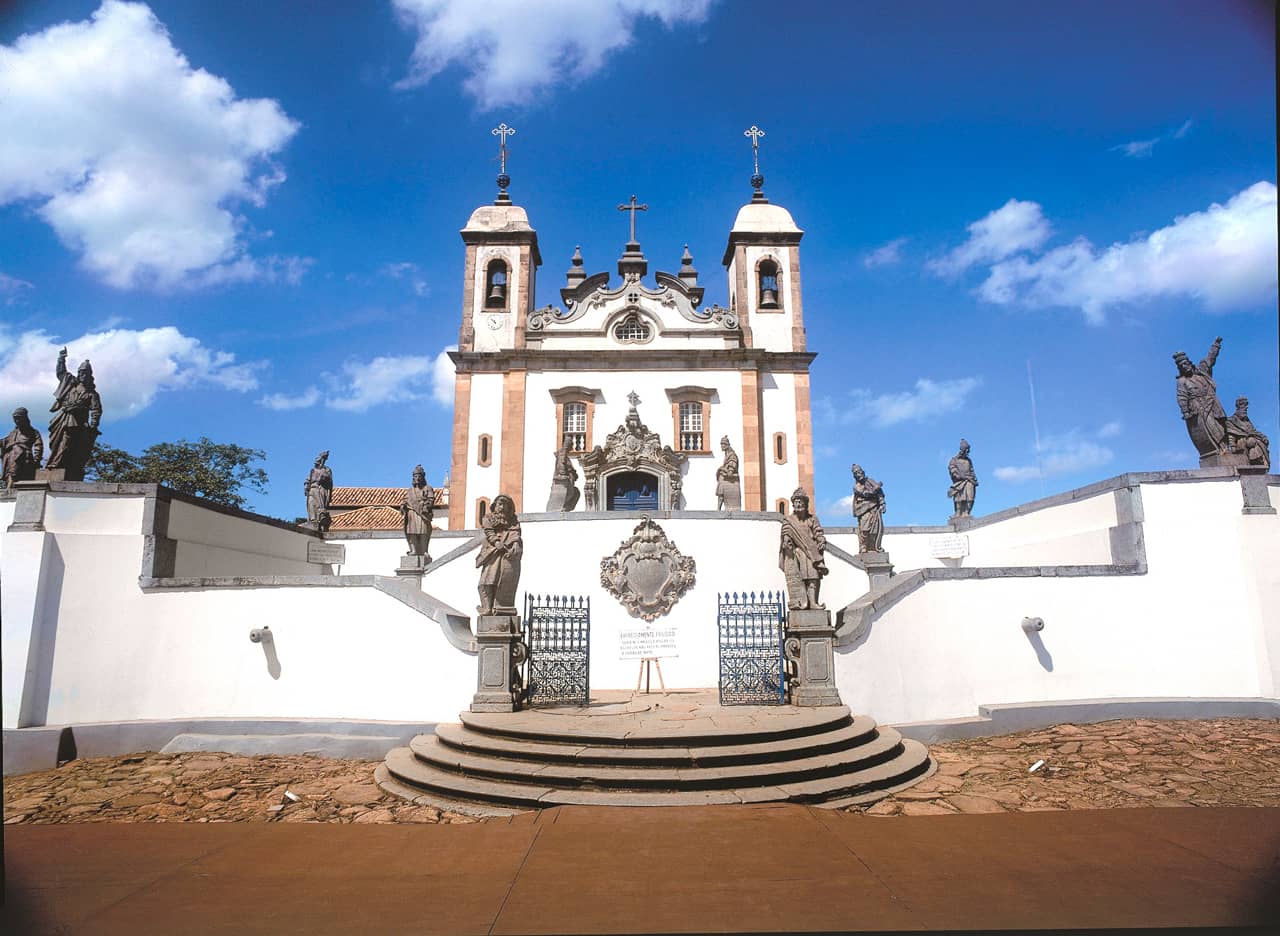
Congonhas Church.
The Brazilian Baroque Stone.
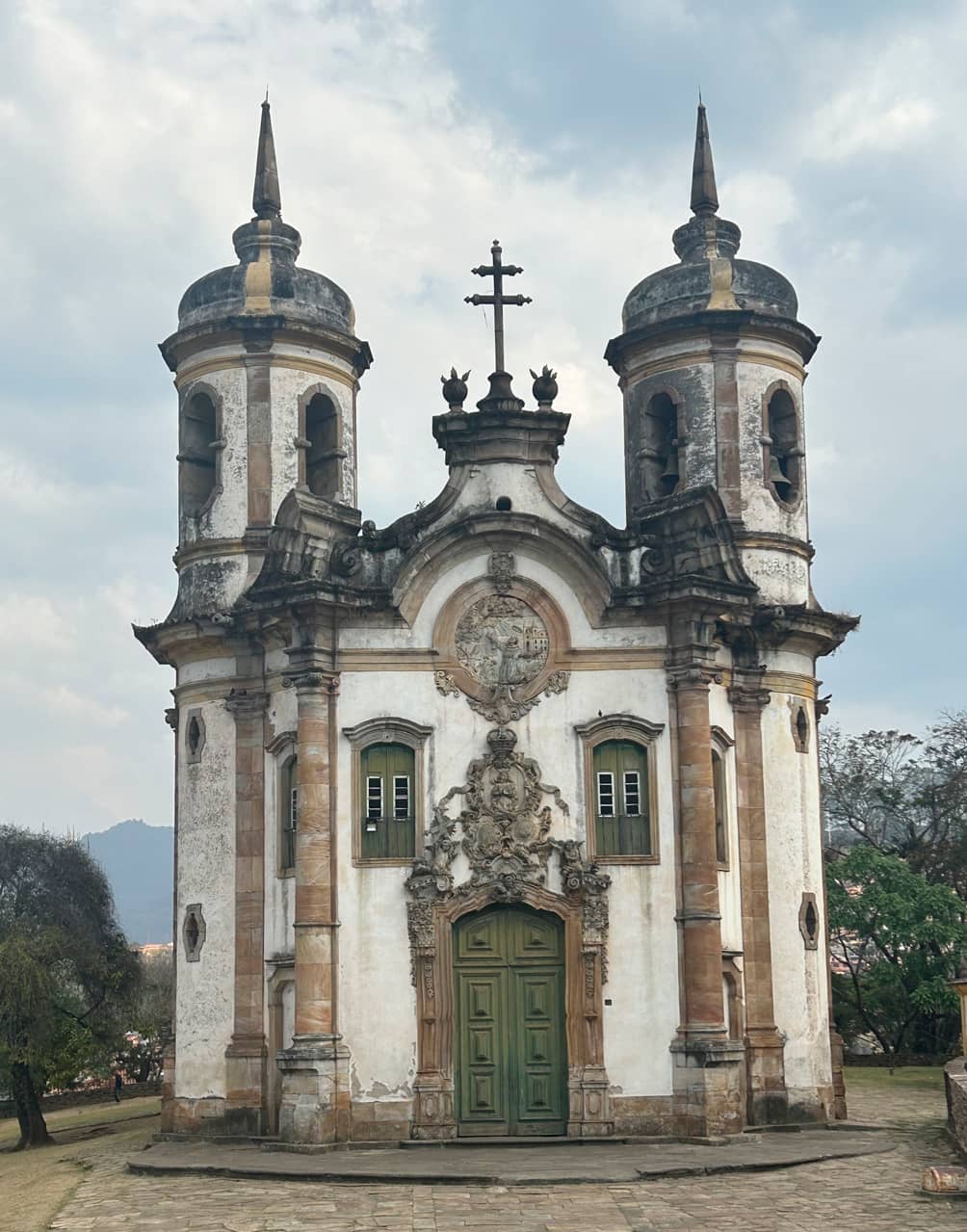
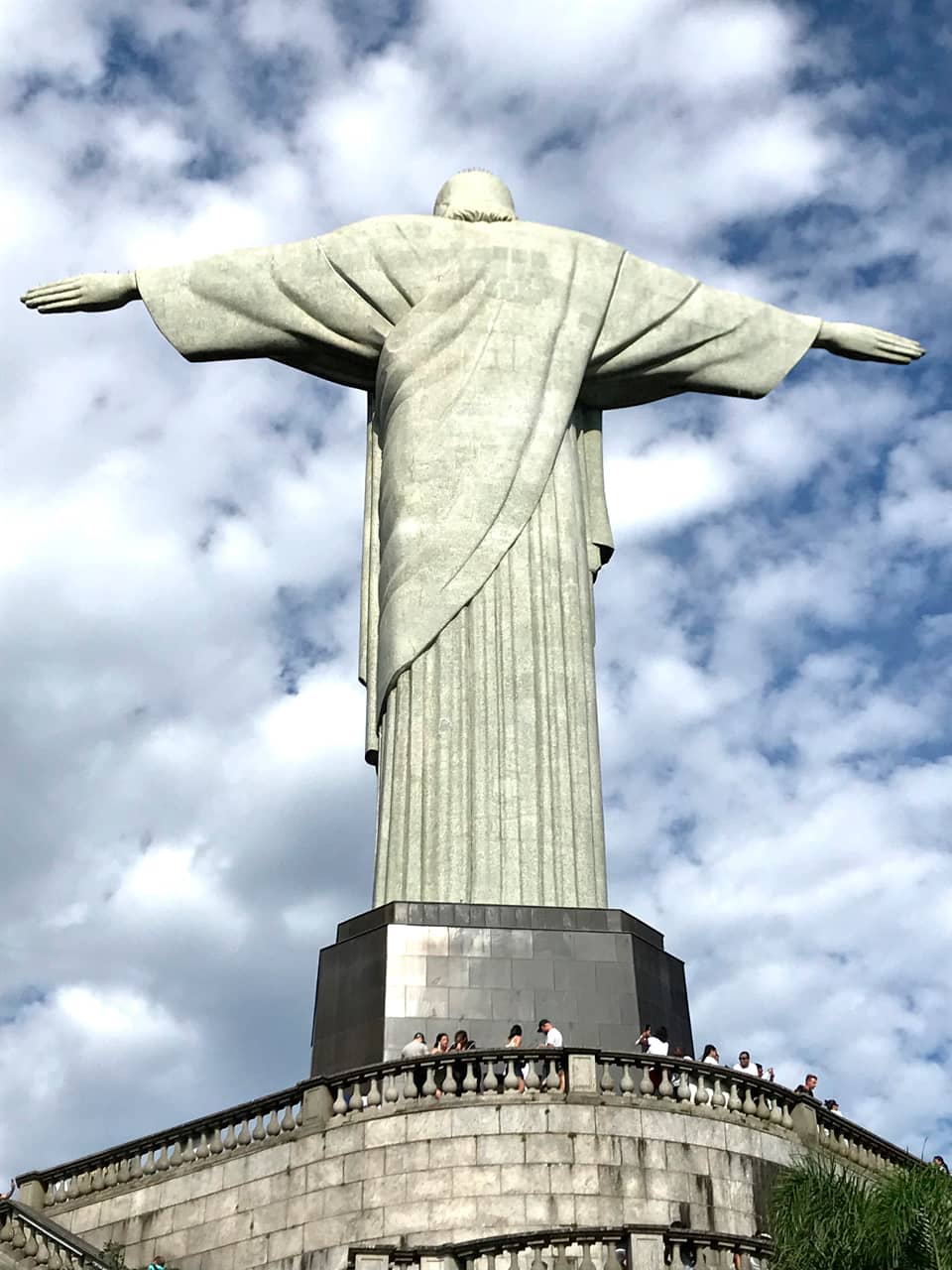
The use of soapstone in the production of Brazilian cultural heritage items in the 18th and 19th centuries replaced the costly Italian and Portuguese limestones and contributed to the development of a culture typical of the central region of Brazil and almost unique in the world. Minas Gerais Soapstone is generally associated with the Brazilian Baroque, which, in the early 20th century, was regarded by modernists as the first national architectural style. As a result, since the 1940s, numerous buildings, monuments, and artefacts in museum collections incorporating soapstone have been recognised by bodies responsible for safeguarding national and world heritage. Prominent among these are the sculptures and architectural elements of the Sanctuary of Bom Jesus de Matozinhos and of the Historic Town of Ouro Preto, in Minas Gerais, as well as the mosaic covering of the Christ the Redeemer in Rio de Janeiro, all of which are designated UNESCO World Heritage Sites. Owing to its very low effective porosity and high specific heat capacity, it is currently exported worldwide for diverse internal and external applications. Furthermore, Minas Gerais Soapstone holds a significant social and cultural impact due to the long tradition of artisanal cookware and craft production, recognised as Imaterial Heritage in its cities of Ouro Preto and Mariana.
Ouro Preto Church.
Christ the Redeemer, Rio de Janeiro.
Main publication
Costa, A. G.2014. Natural stone in the built heritage of the interior of Brazil: the use of stone in Minas Gerais. Geological Society Special Publication. v.407, p. 253 – 261.