City of Oviedo, Capital of Asturias, Northern Spain.
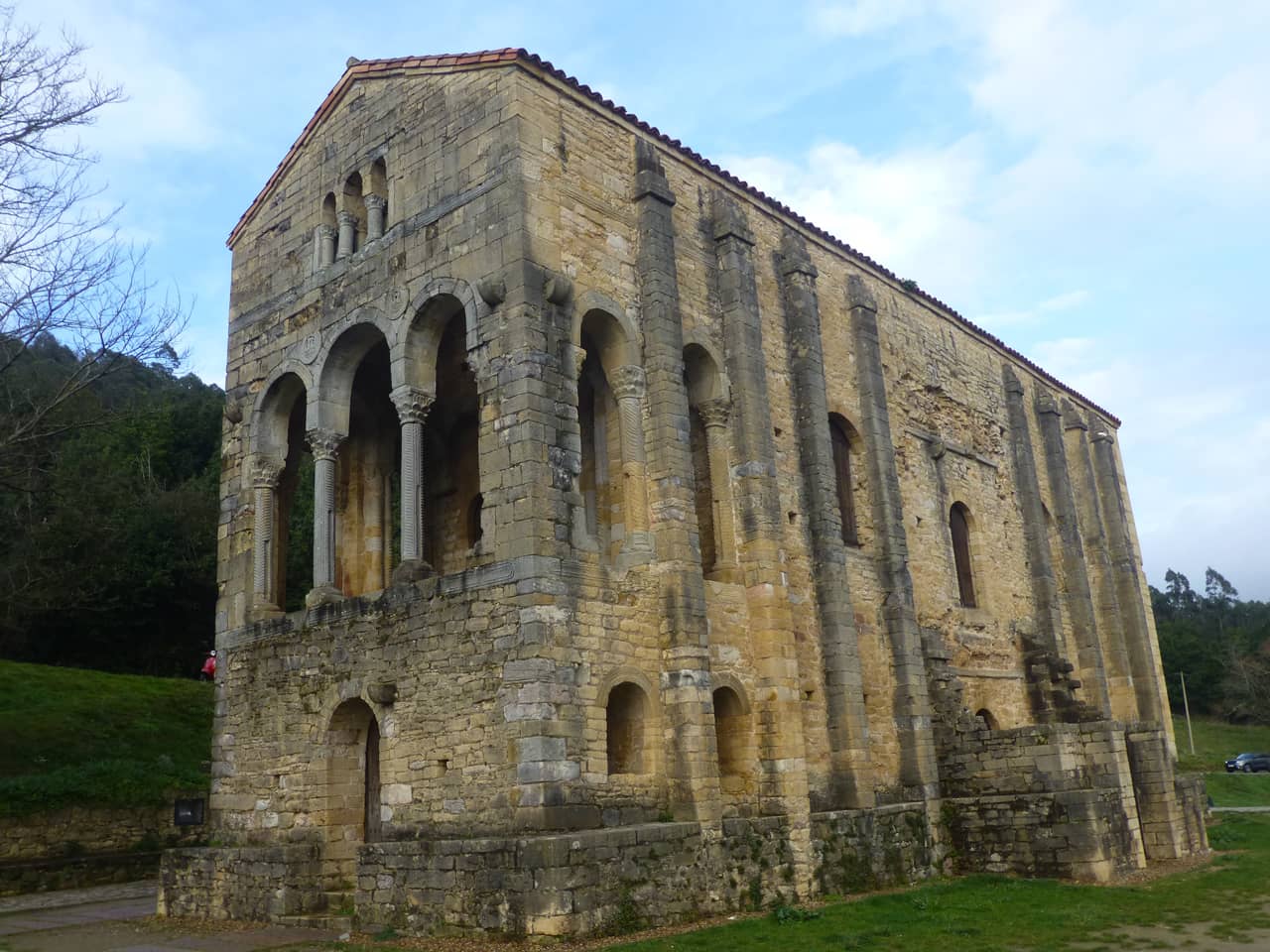
Santa María Naranco, Oviedo.
Heritage Stone from the Asturian Kingdom.
Oviedo’s architectural heritage has long relied on the natural resources found in its surrounding landscape. Since the city’s foundation, construction materials were obtained locally, as the original settlement—today’s historic center—was built on a hill composed of Cretaceous limestone. Although there are no explicit written records from the earliest periods, it is certain that stone was extracted locally from at least the early medieval era. Reusing stone from earlier buildings was also a common practice during this time.
In addition to the bedrock beneath the city, nearby geological outcrops provided convenient locations for quarrying. These extraction sites were often situated only a few hundred meters from construction areas, which reduced both transportation difficulties and building costs. A clear example of this local sourcing can be seen in the pre-Romanesque monuments constructed on the slopes of Mount Naranco, where builders used stone from quarries located nearby.
Historical documents from the 13th century identify four principal quarrying areas around Oviedo—Piedramuelle, Lavapiés, La Granda, and Ayones—along with several smaller sites that are now part of the modern urban area. Although the general locations of these quarries are known, their original topographical features are largely hidden today by dense vegetation typical of Asturias’ humid climate. Nevertheless, traces of the historic quarry fronts remain visible, particularly in the Piedramuelle and Lavapiés areas.
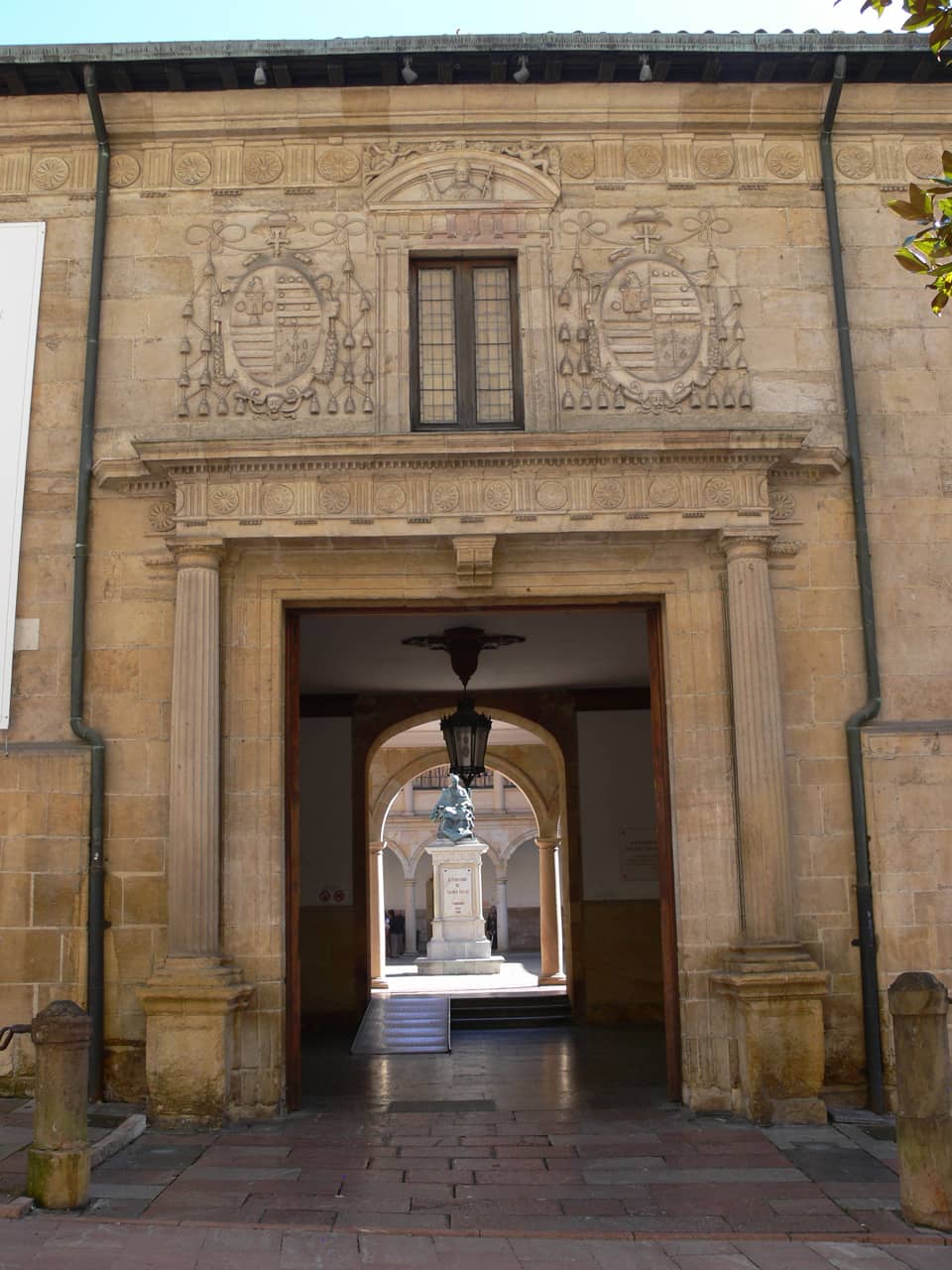
University Old building.
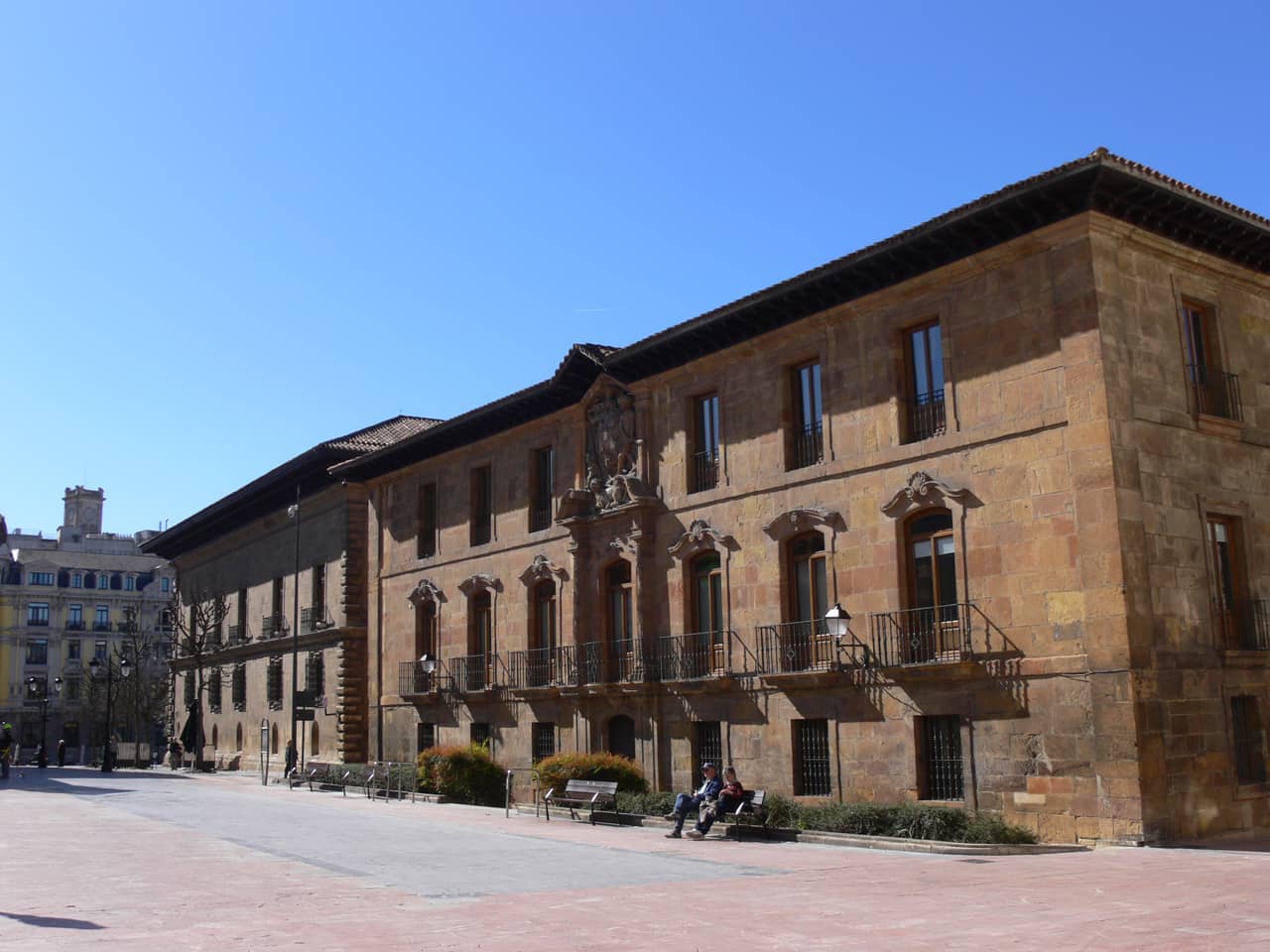
Valdecarzana Palace.
Main publication
A Review of History and Architecture of Roofing Slates: Impact on the Unesco World Heritage List
V. Cárdenes, C. Campa-Bousoño and L. Pando
Geoheritage 2026 Vol. 18 Issue 1 Pages 27
DOI: 10.1007/s12371-026-01266-x